
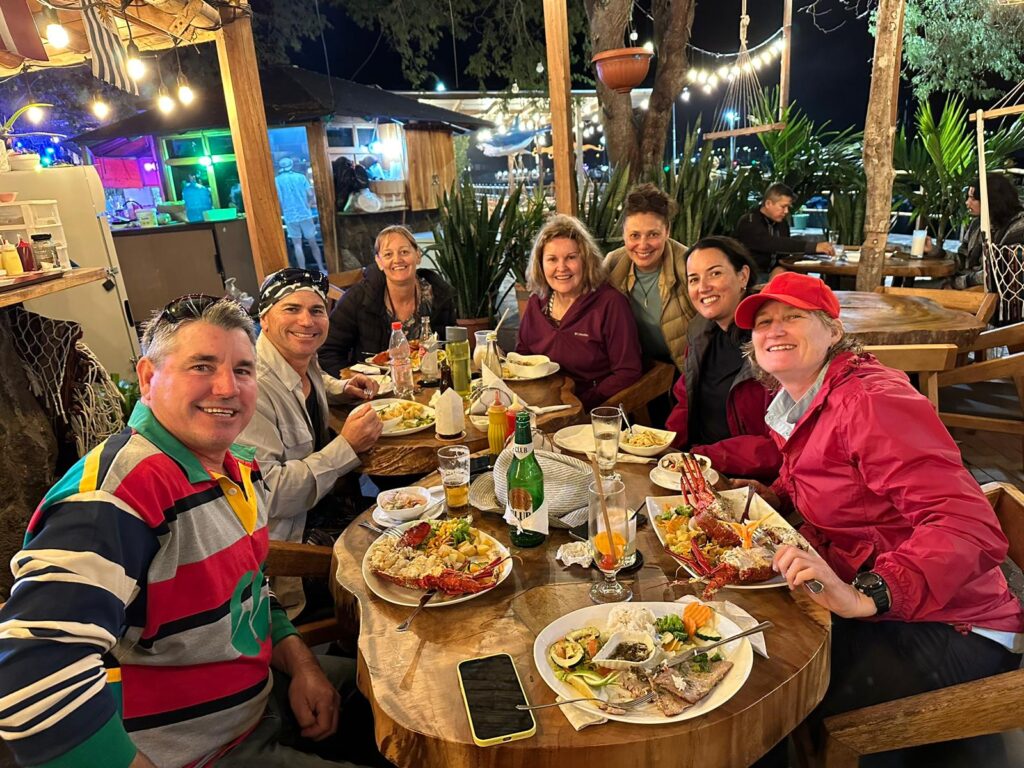
The Galápagos Islands are renowned for their breathtaking landscapes, unique biodiversity, and remarkable role in Charles Darwin’s theory of evolution. But beyond the pristine beaches and rich wildlife, the Galápagos also offer a unique culinary scene influenced by Ecuadorian heritage, fresh seafood, and sustainable practices. Visitors to these remote islands can savor an array of local flavors, from freshly caught ceviche to exotic tropical fruits, all while supporting a sustainable food culture that respects the delicate environment.
A Blend of Tradition and Nature
Galápagos cuisine is deeply rooted in Ecuadorian tradition, but it has been shaped by the archipelago’s isolation and reliance on local ingredients. The result is a blend of coastal and highland Ecuadorian dishes, infused with an island twist. Due to strict conservation laws and sustainable practices, various ingredients are sourced locally, making every meal an authentic reflection of the region’s natural abundance.
Seafood: The Star of Galápagos Cuisine
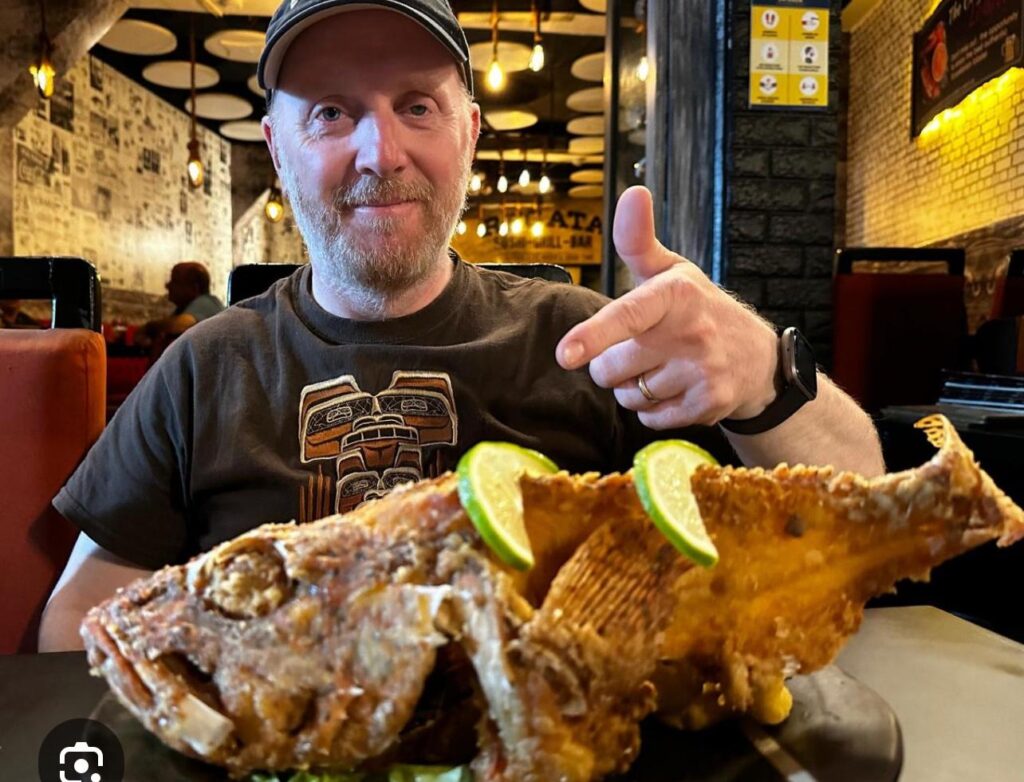
Given its location in the Pacific Ocean, it’s no surprise that seafood is the highlight of the Galápagos culinary experience. The surrounding waters are teeming with fish and shellfish, many of which are caught daily and served fresh. Popular seafood dishes include:
- Ceviche: A staple across Ecuador, Galápagos ceviche is often made with shrimp, octopus, or tuna marinated in lime juice, onions, and cilantro. The freshness of the seafood enhances the citrus and tangy flavors, making it a must-try dish.
- Encebollado: This hearty fish soup is a treasured national dish. It features tuna (often albacore) and boiled cassava (yuca) in a flavorful oniony broth and is typically served with plantain chips (chifles) or bread for dipping. It’s a beloved comfort food, enjoyed for breakfast, lunch, or as a hangover cure. Don’t miss the local version “maremoto” which includes shrimp and octopus.
- Encocado de pescado: This rich and flavorful dish consists of fish cooked in a coconut milk sauce with bell peppers, onions, and spices. It’s a taste of the Ecuadorian coast with a tropical Galápagos touch.
- Brujo: The Mottled/Spotted Scorpionfish, is a popular, spiny-finned bottom-dweller known for its robust body, camouflaged patterns, and delicious white flesh, making it a local delicacy often fried or grilled whole.
- Grilled lobster (langosta): Spiny lobster is a local delicacy in the Galápagos. When in season, it’s often grilled and served with garlic butter or coconut sauce, offering a perfect combination of freshness and flavor. Note that langostino refers to a different type of lobster in Galapagos, but in continental Ecuador it is large shrimp.
- Octopus (pulpo): Endemic to the archipelago, the Galapagos octopus is a popular and flavorful dish. It is served in various ways, including grilled, marinated or raw in a delicious ceviche. The tender, succulent texture of Galápagos octopus pairs perfectly with the island’s tropical ingredients like lime, cilantro, and onions. This dish highlights the islands’ sustainable fishing practices, offering a true taste of the Galápagos’ rich marine life and culinary heritage.
- Canchalagua: A species of chiton endemic to the archipelago, Canchalagua represents a traditional Galápagos dish. Canchalagua is often served in a coconut or garlic sauce. This dish is a favorite among locals and visitors alike, offering a taste of the islands’ fresh, sustainable seafood. Canchalagua showcases the region’s unique culinary offerings and marine abundance.
Fresh and Exotic Ingredients
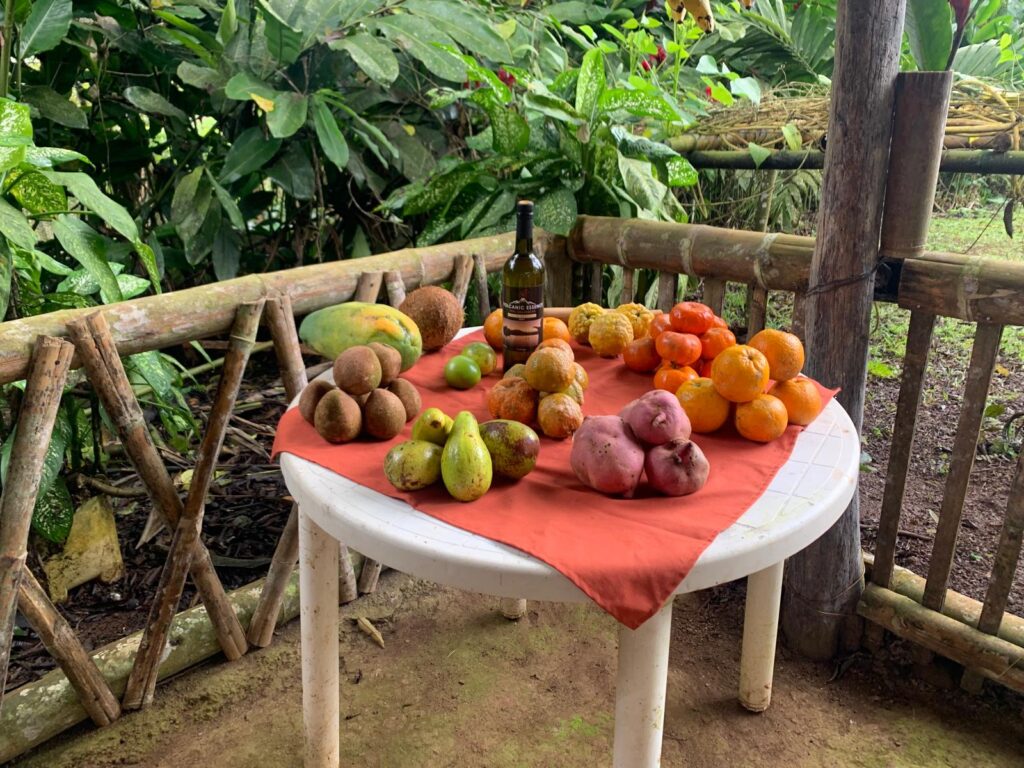
One of the most exciting aspects of dining in the Galápagos is the use of fresh and exotic ingredients. Since the islands have limited agricultural output, most fruits and vegetables are brought in from mainland Ecuador; however, there are a few locally grown treasures:
- Passion fruit (maracuyá): This sweet and tangy fruit is commonly used in juices, desserts, and cocktails.
- Guava: Another tropical delight, guava is often enjoyed fresh or made into jams and sweets.
- Plantains: A staple in Ecuadorian cuisine, plantains are prepared in various ways, including fried as patacones or baked as a side dish. They’re also featured in breakfast dishes like bolón (a ball of mashed plantain usually filled with cheese and/or crispy bits of pork) and tigrillo (mashed plantain mixed with cheese, milk, eggs and onion).
- Locally grown coffee: The highland areas of Santa Cruz and San Cristóbal produce some excellent coffee, which has a smooth and rich flavor profile.
- Tomatillo: A delicious cherry tomato, perfect on a fresh salad.
- Blackberry: Locally referred to as “Mora,” blackberries are an invasive species in the islands. A women-run local company produces jams from these ecologically disruptive berries.
Sustainability and Conservation in Galápagos Cuisine
Sustainability plays an important role in much of the Galápagos culinary scene. The delicate ecosystem of the islands has led to strict environmental regulations. Several restaurants prioritize sustainable seafood and locally sourced ingredients to minimize ecological impact. Visitors will find an increasing number of eco-friendly restaurants that support responsible fishing and farming practices. Some notable initiatives include:
- Sustainable fishing practices: The Galápagos National Park enforces strict fishing regulations to protect marine biodiversity. Many local restaurants only serve seafood caught using sustainable methods.
- Farm-to-table movement: Some farms on the islands, particularly in the highlands of Santa Cruz and San Cristóbal, grow organic produce and supply local restaurants with fresh ingredients.
- Plastic-free dining: Many establishments have eliminated single-use plastics, offering biodegradable straws and recyclable packaging instead.
Local Dining Experiences and Must-Visit Restaurants
(Please see our more exhaustive list of popular restaurants in the post entitled, “Galapagos Restaurants.”)
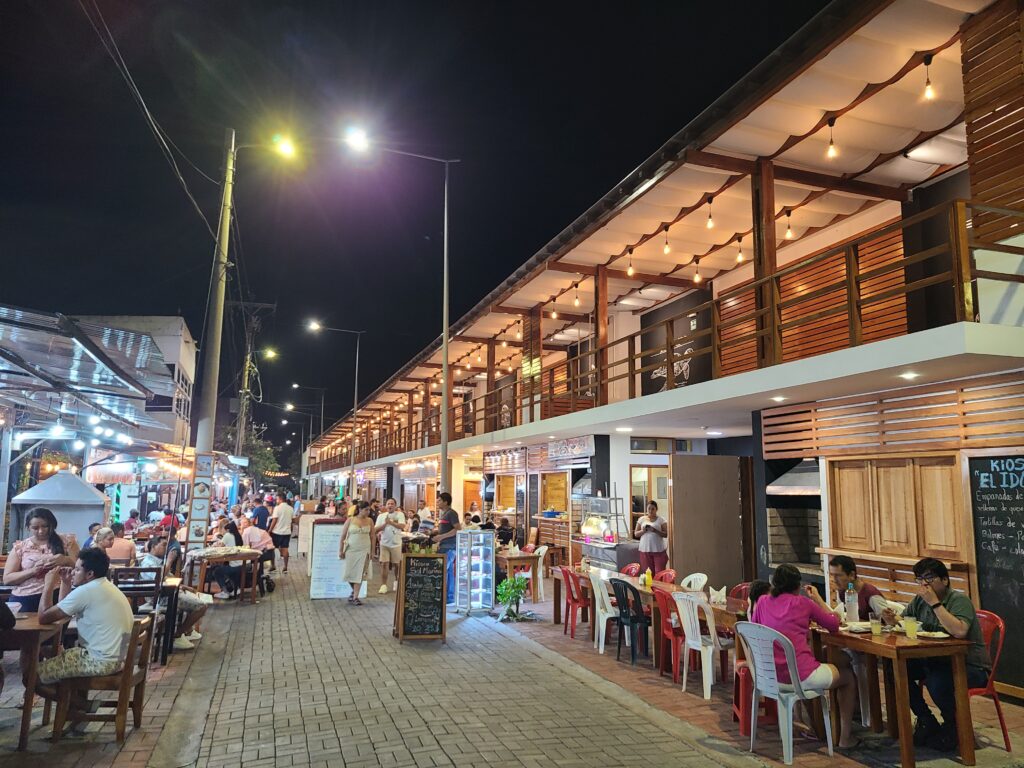
Whether you’re looking for a casual seafood place or a fine dining experience, the Galápagos Islands have a variety of restaurants that showcase the best of local cuisine. Here are some must-visit spots:
- Pahoe (San Cristóbal): A stylish and eco-conscious restaurant, Pahoe offers a fusion of Ecuadorian and international flavors with an emphasis on wood-smoked dishes featuring fresh seafood and organic ingredients. With a chic yet relaxed atmosphere, it’s a great place to enjoy gourmet dishes while taking in the island’s laid-back charm.
- Descanso Marinero (San Cristóbal): A quirky seafood restaurant owned by local fishermen. The restaurant features eclectic décor, with maritime-inspired elements like fishing nets and colorful boat parts. It offers a unique and cozy atmosphere where guests can enjoy fresh seafood and support sustainable fishing practices.
- Los Kioskos (Santa Cruz): This lively street food market in Puerto Ayora offers a variety of affordable, local dishes. It’s an excellent place to try grilled seafood, empanadas, and freshly made fruit juices.
- Almar (Santa Cruz): Known for its oceanfront views and excellent seafood dishes, Almar is a great place to enjoy local cuisine while watching the waves, mangroves and marine iguanas.
- La Casa del Asado de Aníbal García (Isabela Island): A vibrant open-air grill restaurant in Puerto Villamil, this restaurant features colorful lights and communal tables set on volcanic gravel, creating a unique dining atmosphere. The menu offers a variety of grilled seafood and meats, with lobster as a highlight during its season. Diners praise dishes like the mixed grill, featuring chicken, steak, lobster, octopus, and pork, all cooked to perfection.
Street Food and Casual Eats
For those looking to experience local flavors without formal dining, the street food scene in the Galápagos offers delicious and budget-friendly options:
- Empanadas: These savory pastries, filled with cheese, meat, or seafood, make for a perfect snack.
- Choclo con queso: Boiled Andean corn served with fresh cheese, a simple yet tasty snack found at markets and food stalls.
- Corviche: A popular Ecuadorian dish found in the Galápagos Islands, typically made from mashed green plantains stuffed with fish, shrimp, or other seafood and deep-fried. Served as a flavorful snack or appetizer, it’s a beloved local treat that highlights the islands’ rich seafood offerings and Ecuadorian culinary heritage.
Family Farm Visits, Fishing Tours and Home Cooked Meals with Galapagos Surf Discovery
Galapagos Surf Discovery partners with local farmers and fishermen to bring a richer culinary and cultural experience to our guests. Please contact us for a custom quote!
- Las Merceditas: Angel Villa, a resident of San Cristóbal Island, transformed his underperforming farm into a thriving dairy enterprise. Instead of merely selling milk, he ventured into producing cheese and yogurt, overseeing their distribution throughout the islands. This initiative not only diversified local agricultural offerings, but also contributed to the islands’ economy. You’ll tour the farm in Cerro Verde to learn about traditional techniques that the family employs to grow a variety of crops and care for their animals. After the tour, guests have the opportunity to share a delicious meal featuring products from the farm.
- Zavala Family Fishing Tour: “Pesca Vivencial” with the Zavala family in San Cristóbal offers an authentic, hands-on fishing experience in the Galápagos. Guests join the Zavala family on their fishing boat, learning about sustainable fishing methods while exploring the pristine waters surrounding the island. This immersive experience gives visitors a deeper understanding of the island’s marine life and the importance of conservation. After fishing, participants enjoy a freshly prepared seafood meal at the Zavala family home, often featuring that day’s catch. Pesca Vivencial is not only a unique way to connect with the local culture but also support responsible fishing practices and sustainable tourism in Galápagos.
- Rooftop Dinner with Fabian and Alethea: The owners of Galapagos Surf Discovery offer an authentic and intimate rooftop dining experience for their guests. Fabian does the prep work while Alethea fires up the grill and dishes out some tasty fish and vegetables. In this charming setting perfect for conversation, they share stories about their life in the Galapagos Islands.
The Role of Gastronomy in Ecotourism
As ecotourism grows in the Galápagos, gastronomy plays an essential role in the visitor experience. Many travelers are now seeking authentic and sustainable food experiences that align with conservation efforts. By supporting local restaurants and sustainable seafood initiatives, visitors contribute to the protection of the islands while enjoying an unforgettable culinary journey.
Final Thoughts
The Galápagos Islands offer more than just incredible wildlife and stunning landscapes – they provide a culinary adventure that reflects the region’s rich biodiversity and Ecuadorian heritage. From fresh seafood to exotic fruits, every meal is an opportunity to connect with the islands’ natural beauty and support sustainable practices. Whether indulging in a beachside ceviche, exploring street food markets, or taking part in a family farm tour, the flavors of the islands will be an unforgettable feature of your Galápagos trip.
About the Writer:
Alexandra is a naturalist guide and marine scientist in the Galapagos Islands. She has spent the past 12+ years working in marine conservation in the islands. Her experience as a naturalist guide runs the gamut, from large liveaboard vessels and yachts to island hopping trips and daily tours. Alexandra has guided groups comprised of various demographics, including children and families, younger couples, and individual travelers. Her perspective on tourism in Galapagos is informed by her passion for conservation and maximizing visitor experience.
Is this website helpful for planning a trip to Galapagos? You can show your appreciation by clicking here.

